
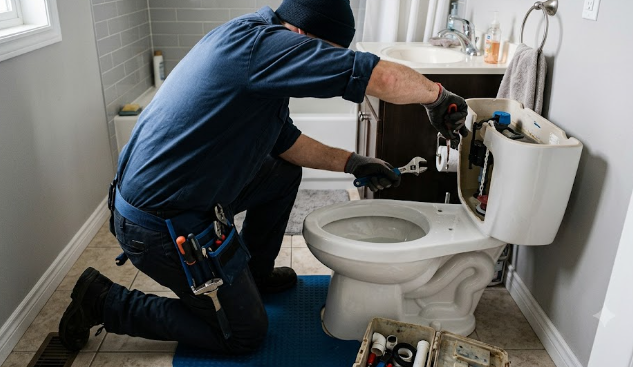
A properly functioning toilet is one of the most important fixtures in any home, yet it is often taken for granted until something goes wrong. From constant running water and weak flushing to leaks around the base or a toilet that will not flush at all, even minor issues can disrupt daily routines and increase water bills. While some problems may seem simple, they often involve multiple components working together inside the toilet tank and plumbing system.
Understanding Toilet Repair Castle Rock process helps homeowners recognize common issues, know what to expect during repairs, and appreciate the importance of addressing problems before they become more serious. A timely repair can restore reliable performance while preventing unnecessary water damage and costly plumbing repairs.
What Are the Most Common Toilet Problems?
Toilets can experience a variety of mechanical and plumbing issues as they age or undergo regular daily use. One of the most common problems is a constantly running toilet, which usually results from worn internal components that prevent the tank from sealing properly after each flush. Weak flushing, slow tank refilling, phantom flushing, and water leaking around the base are also frequently reported by homeowners. Although these issues may seem minor at first, they often worsen if repairs are delayed. Identifying the symptoms early allows the repair process to begin before more extensive damage occurs.
Clogged toilets also remain one of the most frequent plumbing problems in residential properties. While many clogs can be cleared using basic methods, recurring blockages may indicate larger issues within the drain line or sewer system. Cracked porcelain, loose mounting bolts, faulty shut-off valves, or damaged wax rings may also contribute to leaks or instability. Understanding the source of the problem is the first step toward selecting the appropriate repair solution. Every toilet issue requires careful diagnosis before repairs begin.
How Does the Toilet Repair Process Begin?
The toilet repair process starts with a thorough inspection to determine exactly what is causing the problem. Rather than replacing parts immediately, the toilet is carefully examined to identify leaks, worn components, water pressure concerns, flushing performance, and any visible signs of damage. The water supply valve, fill valve, flapper, overflow tube, flush handle, and tank bolts are all common areas that may require attention. A detailed inspection helps prevent unnecessary repairs by identifying the true source of the issue. Accurate diagnosis is essential for effective plumbing repairs.
Once the inspection is complete, the water supply is typically shut off before any repair work begins. Draining the tank and bowl allows components to be safely removed and replaced without creating unnecessary spills. Protecting the surrounding flooring and bathroom fixtures during the repair process also helps prevent accidental damage. Preparing the work area ensures the repair can be completed efficiently. Proper preparation contributes to a smoother repair process.
Which Toilet Components Are Commonly Repaired?
Many toilet repairs involve replacing internal tank components that naturally wear out over time. The flapper is one of the most frequently replaced parts because it controls the release of water from the tank into the bowl during each flush. As the flapper ages, it may become brittle or fail to seal completely, allowing water to leak continuously into the bowl. Replacing this small component often restores normal operation while reducing unnecessary water usage. Simple parts can have a significant impact on toilet performance.
Other commonly repaired components include the fill valve, float assembly, flush handle, overflow tube, and supply line connections. These parts work together to regulate water levels, refill the tank after flushing, and ensure reliable operation during everyday use. If any component becomes damaged or improperly adjusted, the toilet may flush poorly or continue running after each use. Replacing worn parts often restores efficient performance without requiring complete toilet replacement. Routine maintenance extends the lifespan of the fixture.
How Are Toilet Leaks Repaired?
Toilet leaks can occur in several different locations, making accurate diagnosis especially important. Water leaking around the base of the toilet may indicate a damaged wax ring or loose mounting bolts that no longer create a watertight seal between the toilet and the floor flange. Repairing these issues usually involves removing the toilet, replacing the wax ring, and reinstalling the fixture securely. Proper sealing prevents water from damaging flooring and subfloor materials. Correct installation helps eliminate future leaks.
Leaks inside the tank often involve worn seals, damaged bolts, cracked components, or faulty valves. These leaks may not always be visible immediately but can result in constant water loss and increased utility costs over time. Replacing defective seals and tightening connections restores proper operation while preventing ongoing water waste. Thorough inspection confirms that all repaired components function correctly before the toilet is returned to service. Leak testing is an important final step in the repair process.
How Long Does the Toilet Repair Process Take?
The amount of time required for toilet repair depends on the type and complexity of the problem. Minor repairs involving flappers, fill valves, or flush handles are often completed relatively quickly because they require only basic component replacement and adjustment. More involved repairs, such as replacing a wax ring or correcting leaks beneath the toilet, generally require additional time because the entire fixture must be removed and reinstalled. The repair timeline depends on the condition of the plumbing and the specific parts involved. Every repair is slightly different.
Unexpected issues may occasionally extend the repair process. Corroded mounting bolts, damaged floor flanges, hidden plumbing leaks, or cracked porcelain may require additional work beyond the original repair. Careful inspection throughout the process allows these problems to be identified before the toilet is reassembled. Addressing all issues during the same repair helps reduce the likelihood of future plumbing problems. Thorough workmanship supports long-term reliability.
How Can Homeowners Prevent Future Toilet Repairs?
Routine maintenance is one of the best ways to reduce the need for future toilet repairs. Periodically checking for running water, slow tank refilling, loose handles, or small leaks allows homeowners to address problems before they become more serious. Listening for unusual sounds after flushing and monitoring water bills for unexpected increases may also reveal hidden plumbing issues. Early detection often prevents more expensive repairs later. Regular observation supports reliable toilet performance.
Using the toilet properly also helps extend the lifespan of its internal components. Only toilet paper and human waste should be flushed because wipes, paper towels, hygiene products, and other household materials can cause clogs or place unnecessary stress on the plumbing system. Gentle operation of the flush handle and prompt attention to small problems also contribute to long-term reliability. Responsible use reduces wear on internal components. Preventive care protects both the fixture and the plumbing system.
When Should Homeowners Call a Professional?
While some simple repairs may appear straightforward, many toilet problems require professional evaluation to ensure the underlying issue is fully resolved. Persistent leaks, recurring clogs, cracked porcelain, water damage around the base, or problems affecting multiple plumbing fixtures may indicate more complex plumbing concerns beyond the toilet itself. Professional inspections help identify hidden issues that homeowners may overlook during basic troubleshooting. Accurate diagnosis often prevents unnecessary repairs.
Professional plumbers also have the experience and specialized tools needed to repair or replace components safely while protecting surrounding plumbing connections. If replacement parts are required or structural plumbing issues are discovered, professional service helps ensure repairs comply with current plumbing standards. Reliable repairs restore proper operation while reducing the likelihood of recurring problems. Expert workmanship provides greater confidence in the finished repair.
Final Thoughts
The toilet repair process involves much more than replacing a worn part inside the tank. Successful repairs begin with a detailed inspection, followed by accurate diagnosis, careful component replacement, leak testing, and final performance checks to ensure the toilet operates efficiently. Addressing small problems early helps prevent water damage, reduce unnecessary water consumption, and avoid more expensive plumbing repairs in the future. By understanding the toilet repair process and maintaining the fixture regularly, homeowners can enjoy dependable performance while extending the life of one of the most frequently used plumbing fixtures in the home.