
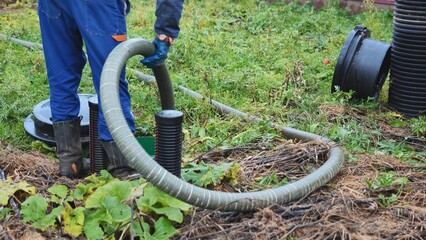
Septic pumping is one of those home maintenance tasks that is easy to forget until the system begins showing signs of trouble. Because the septic tank is buried underground and works quietly in the background, many homeowners do not think about it until drains slow down, odors appear, or wastewater begins backing up. Routine pumping helps remove the solid waste that builds up inside the tank and keeps the system operating as designed. The total cost varies from one property to another depending on several important factors.
Understanding how much septic pumping costs helps homeowners plan ahead, avoid emergency expenses, and protect the long-term performance of their septic system. Contact The Septic Guys for more details.
What Factors Affect Septic Pumping Cost?
Several factors influence the total cost of septic pumping. Tank size is one of the most important because larger tanks hold more wastewater and solids, which means they usually require more time and disposal capacity during service. The amount of buildup inside the tank also matters because a heavily neglected system may take longer to empty completely. Accessibility can also affect pricing if the lid is buried deeply or difficult to reach. Every property has different conditions that influence the final cost.
The location of the tank on the property may also change the amount of work required. If the pumping truck cannot get close to the access point, longer hoses and additional setup may be necessary. Landscaping, fences, decks, steep slopes, and other obstacles can make the job more complicated. Older systems may also require more careful inspection if the access components are worn or damaged. A proper on-site evaluation gives the most accurate picture of what the service will involve.
How Does Septic Tank Size Influence Pricing?
Septic tank size directly affects pumping cost because larger systems contain more material that must be removed and transported. A smaller residential tank generally requires less time to pump than a larger tank serving a bigger household. The amount of wastewater in the tank at the time of service can also influence the total volume being removed. Although exact pricing depends on the property, larger tanks usually involve a higher service cost. Tank capacity is one of the simplest ways to estimate the likely scope of the job.
Tank size also affects how often pumping may be needed. A larger tank may take longer to accumulate the same percentage of solids as a smaller tank under similar household conditions. However, a large family can still fill a large tank relatively quickly if water use and solid waste production are high. Pumping frequency should therefore be based on both tank capacity and household habits. Regular inspections help homeowners avoid waiting too long between services.
Does the Condition of the Tank Affect the Cost?
The condition of the septic tank can make a noticeable difference in the total cost of pumping. A tank that has been maintained on a regular schedule is usually easier to service because the sludge has not become excessively compacted. When a system is neglected for many years, the buildup may be thicker and more difficult to remove. Additional time may be needed to break up solids and complete the pumping thoroughly. Consistent maintenance usually leads to more predictable service.
The tank may also contain damaged or worn components that are discovered during the visit. Cracked lids, broken baffles, deteriorated risers, or damaged access covers can increase the cost if repairs are needed. These issues are not technically part of basic pumping, but they are often identified while the tank is open and being inspected. Repairing them early can prevent larger problems later. Routine pumping therefore provides an opportunity to catch developing issues before they become expensive failures.
What Additional Services Can Increase the Price?
Basic septic pumping focuses on removing the liquid, sludge, and scum from the tank, but additional services may increase the total cost. Some appointments include a more detailed inspection of the tank, inlet and outlet components, filters, or baffles. These evaluations can help identify signs of poor flow or early system damage. Homeowners may also choose to have filters cleaned or access risers serviced during the same visit. These extras can add to the final bill but often improve long-term system reliability.
In some cases, the tank lid may need to be located or excavated before pumping can begin. If the access point is deeply buried, additional labor may be required to expose it safely. Properties without risers may involve more digging each time the tank is serviced. Installing easier access can increase the immediate project cost but reduce effort during future pumping visits. Convenience improvements can provide long-term value over the life of the system.
How Often Should Homeowners Budget for Septic Pumping?
Many homeowners schedule septic pumping every three to five years, but the correct interval depends on the household and the system. The number of occupants, daily water usage, tank size, and amount of solid waste all influence how quickly sludge accumulates. Homes with more residents may require pumping more frequently than smaller households. The use of garbage disposals can also increase the amount of material entering the tank. A regular inspection schedule helps determine the most appropriate timing.
Budgeting in advance makes septic maintenance easier to manage. Instead of waiting until a backup or odor problem appears, homeowners can plan for routine pumping as part of normal property maintenance. Setting aside funds each year helps prevent the cost from feeling like an unexpected emergency. Scheduled service also gives homeowners more flexibility when choosing an appointment time. Preventive planning is usually less stressful and more affordable than urgent repairs.
Can Regular Pumping Save Money Over Time?
Regular pumping can save money by reducing the risk of major septic system damage. As sludge levels rise, solids may begin entering the drain field and clogging the surrounding soil. Once the drain field becomes damaged, repairs can be much more expensive than routine pumping. Removing waste before it reaches this stage helps preserve the system. Preventive maintenance protects one of the most costly parts of the septic setup.
Routine service can also reduce the chance of sewage backups inside the home. Backups may damage flooring, drywall, furniture, and personal belongings while creating sanitation concerns. Emergency cleanup and restoration can quickly cost more than years of normal septic maintenance. Pumping on a regular schedule lowers the likelihood of these sudden problems. Long-term savings are one of the strongest reasons to maintain the system consistently.
How Can Homeowners Keep Septic Pumping Costs Under Control?
Good household habits can help reduce the rate at which solids accumulate inside the septic tank. Conserving water gives the system more time to separate solids and liquid properly. Repairing leaking faucets and toilets also reduces unnecessary wastewater entering the tank. Spreading laundry loads throughout the week rather than completing many loads in a single day can help the system process water more efficiently. Responsible water use supports healthier septic performance.
Proper waste disposal is equally important. Cooking grease, wipes, paper towels, feminine hygiene products, cat litter, and other non-biodegradable materials should not be flushed or washed into the septic system. Garbage disposals should be used carefully because they increase the amount of solid material entering the tank. Reducing unnecessary solids can help extend the time between pumping services. Simple daily habits support lower long-term maintenance costs.
Final Thoughts
How much septic pumping costs depends on tank size, accessibility, system condition, household usage, and any additional services required during the visit. While every property is different, routine pumping remains one of the most affordable ways to protect the entire septic system from backups, drain field damage, and premature failure. Planning ahead, maintaining good household habits, and scheduling service before problems appear can help homeowners keep costs more predictable. Preventive septic maintenance protects both the property and the wastewater system that supports everyday living.